
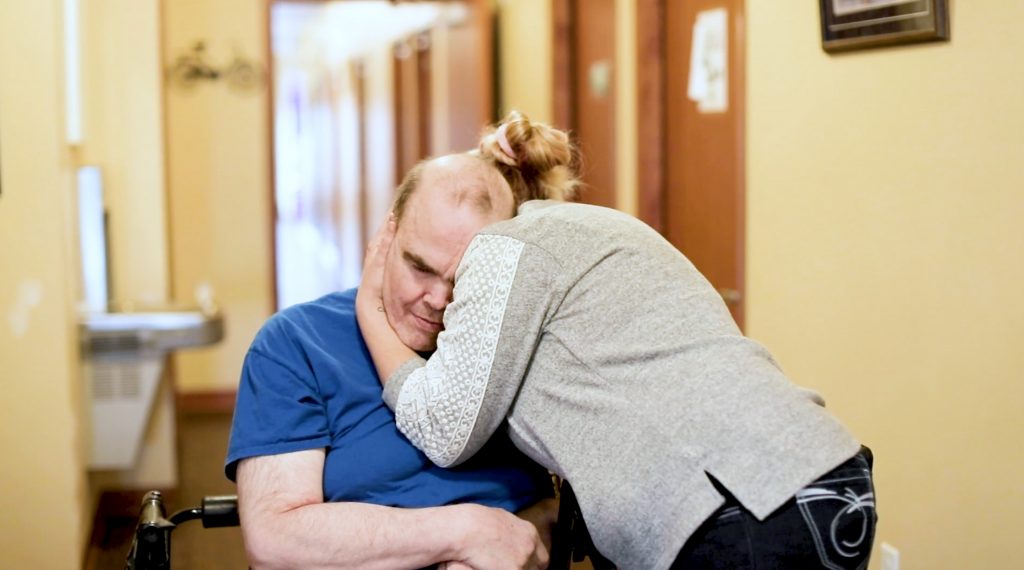
When people hear the term residential care, they often imagine a medical setting or hospital environment. In reality, many live-in support facilities are designed to feel much more like a stable home environment while still providing the structure and support residents need to thrive.
Residential programs that focus on mental health and supportive living provide a combination of housing, daily assistance, and wellness support in a structured setting.
A Structured Home Environment
Unlike short-term treatment programs, residential care facilities are designed to provide a stable, long-term living environment for adults who benefit from ongoing support.
Residents live on site and receive assistance from trained staff who help maintain routines, provide guidance, and support daily wellness. The goal is to create a safe and consistent environment where individuals can focus on stability, personal growth, and improved quality of life.
Daily Living Support
One of the core services in residential care is assistance with everyday activities. These supports help residents maintain independence while ensuring important daily needs are met.
Resident services often include:
• Assistance with meals, hygiene, and housekeeping
• Medication support and health monitoring
• Help coordinating medical appointments
• Transportation to appointments or community activities
• Support with shopping and other daily tasks
These services help create consistency and reduce the stress that can come with managing everything alone.
Mental Health and Emotional Support
Many residential care environments support individuals living with ongoing mental health conditions. Staff members are trained to provide compassionate supervision and assistance while helping residents maintain routines that support emotional stability.
Residents may be living with conditions such as:
• Anxiety, depression, or bipolar disorder
• Schizophrenia and other psychiatric disorders
• Traumatic brain injuries
• Developmental disabilities
• Recovery from substance use challenges
In a residential setting, support is built into everyday life rather than limited to occasional appointments.
The Role of Routine and Stability
Structure plays an important role in maintaining mental health. Consistent routines for meals, activities, and wellness support help residents feel more grounded and secure.
Community meals, group activities, and shared living spaces also help create a sense of connection and belonging. For many residents, this supportive structure becomes an important part of maintaining long-term stability.
A Focus on Dignity and Quality of Life
At the heart of residential care is the belief that everyone deserves a safe place to live and the support needed to maintain their well-being.
By combining housing, daily assistance, and compassionate care, residential programs create environments where residents can build confidence, maintain stability, and continue moving forward.